
Wet Weather Driving Tips
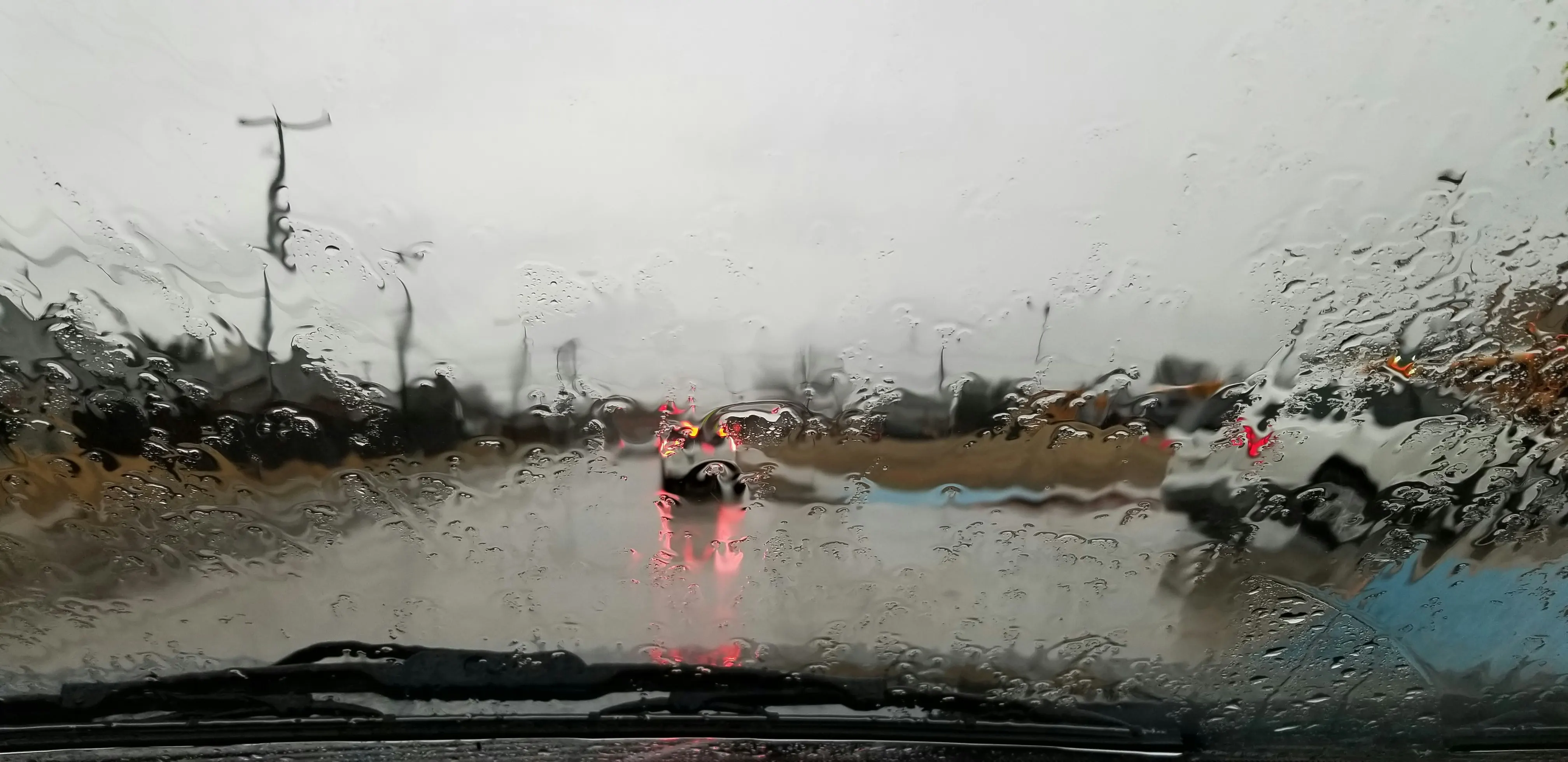
Key Wet Weather Safety Principles
Nine practical habits for staying in control when traction, visibility and stopping distance are all working against you.
LOOK UP. STAY BACK® — The Foundation of Efficient Driving
Smooth driving starts with good observation.
- ✓Scan well ahead
- ✓Maintain generous following distance
- ✓Anticipate traffic flow
Reduce Speed Before You Need To
Speed affects traction more than any other factor.
- ✓Slow down before corners, not during them
- ✓Avoid sudden steering, braking or acceleration
- ✓Drive to the conditions, not the speed limit
Understand Aquaplaning
Aquaplaning occurs when tyres lose contact with the road surface.
To reduce the risk:
- ✓Maintain safe speeds
- ✓Avoid puddles and standing water
- ✓Keep tyres correctly inflated and with adequate tread
If aquaplaning occurs:
- ✓Ease off the accelerator
- ✓Keep the steering straight
- ✓Avoid braking until traction returns
Maximise Visibility
Seeing and being seen is critical.
- ✓Use headlights in rain, fog or low light
- ✓Ensure wipers and demisters are working effectively
- ✓Keep windows clear of fog by using air conditioning or ventilation
- ✓Avoid driving through heavy spray from trucks where visibility drops to zero
Avoid Cruise Control in the Wet
Cruise control can delay your reaction time and increase the risk of aquaplaning.
Be Cautious on the First Rain After Dry Weather
Oil, dust and debris create a slick surface when rain first begins.
Brake Earlier and More Gently
Wet roads reduce grip.
- ✓Begin braking earlier
- ✓Apply pressure smoothly
- ✓Allow extra time for vehicles behind you to react
Avoid Flooded Roads
Even shallow water can cause loss of control or vehicle damage.
- ✓Never drive through moving water
- ✓Avoid water deeper than the bottom of your doors
- ✓Turn around if you’re unsure
Prepare Your Vehicle
A well maintained vehicle is safer in the wet.
- ✓Check tyre tread and pressure
- ✓Check tyre tread and pressure
- ✓Keep headlights clean
- ✓Maintain brakes and suspension
Improve Your Wet Weather Skills
Practical training is the most effective way to learn how your vehicle behaves in low traction conditions. Murcotts’ Defensive Driving Level 1 & 2 programs include wet surface braking, skid awareness and real world hazard management.
Explore our Driver Training Programs to build confidence and capability in all conditions.